
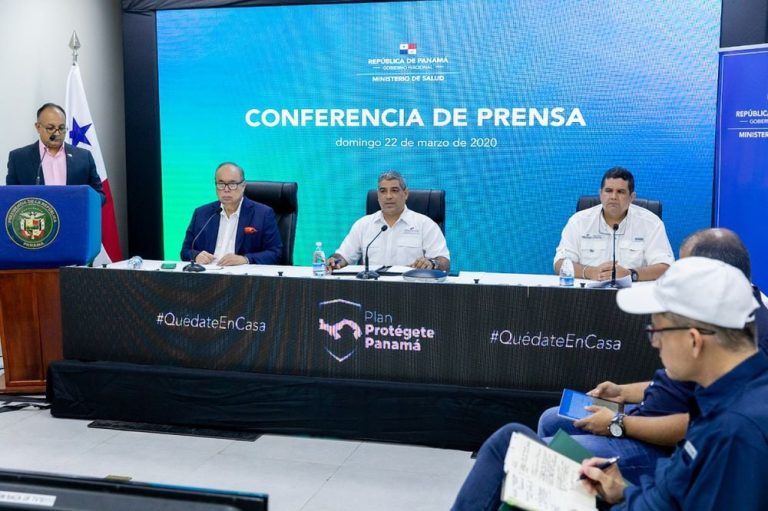
Panama Leads the Way in Tackling the COVID-19 Challenge
Panama has demonstrated swift and effective responsiveness to the COVID-19 pandemic, deploying economic resources, successfully sequencing the virus genome for rapid diagnoses, fortifying its healthcare system, and implementing measures to isolate citizens. The United Nations agencies’ leaders in the country believe that valuable lessons from Panama’s approach can be applied to other Latin American nations.
While China and South Korea have received acclaim for their aggressive responses to the coronavirus, Panama stands out as a compelling example for Latin America. Despite surpassing 100 cases, the country has remarkably experienced only one death. Gerardo Alfaro, the representative of the Pan American Health Organization in Panama, highlighted that the nation has consistently stayed “one step ahead.”
A key factor in Panama’s success has been the prompt initiation of diagnostic tests, facilitating early confirmation or exclusion of cases. The country has strategically distributed 25 testing kits across its national territory, including remote areas like indigenous comarcas. Mobile teams of doctors and nurses conduct tests at homes, ensuring comprehensive coverage.
Panama’s proactive measures extend beyond testing, including hospital capacity management. Hospitals can adapt by converting beds, expediting discharges, suspending non-urgent surgeries, and rotating medical staff. The appointment of an intensive care team coordinator has facilitated the efficient pooling of resources from both the public and private sectors into a unified network.
To prevent contamination risks during patient transfers between sectors, Panama has established coordination mechanisms, allowing for flexible regulations and resource-sharing commitments. The country has invested in additional ventilators, modular hospital designs, and mobile clinics to enhance its healthcare infrastructure.
Panama boasts a dual healthcare system, comprising public and private sectors. The Social Security system covers 80% of the population, while the Ministry of Health addresses the remaining 20% of the uninsured population and owns 80% of clinics and hospitals. Cross-subsidization occurs routinely, and a cohesive network operates at the functional level, fostering collaboration between public and private entities.
César Núñez, the United Nations resident coordinator in Panama, emphasizes the crucial role of scientists in the country’s response. The Gorgas Memorial Institute’s achievement of sequencing the SARSCoV2 virus allows Panama to adapt vaccines based on the circulating strain, showcasing the nation’s commitment to scientific innovation in combating the pandemic.